
Disaster Risk Reduction & Management
Building a Resilient Private Sector
Nepal is one of the most disaster-prone countries in the world. Located in a seismically active zone and facing increasing climate-related risks, the country is vulnerable to earthquakes, floods, landslides, glacial lake outburst floods (GLOFs), and other natural hazards. These disasters not only threaten lives and livelihoods but also disrupt businesses, damage infrastructure, and derail economic progress. For Nepal's private sector, building resilience is not optional, it is essential for sustainable growth.
Programs & Updates
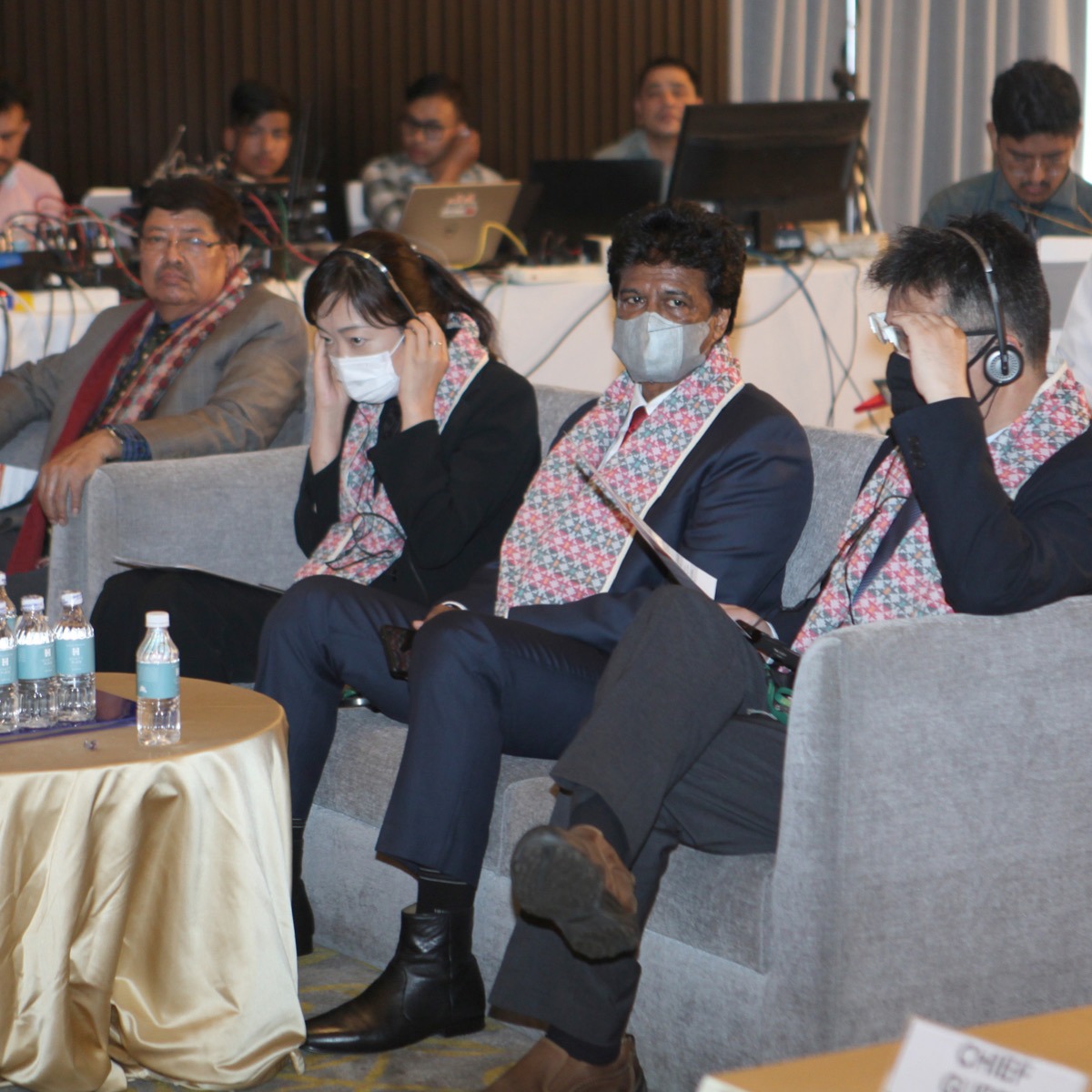
NBI Hosts International Symposium on Multi-Sectoral DRRM Platform for Nepal
June 28, 2022
Kathmandu
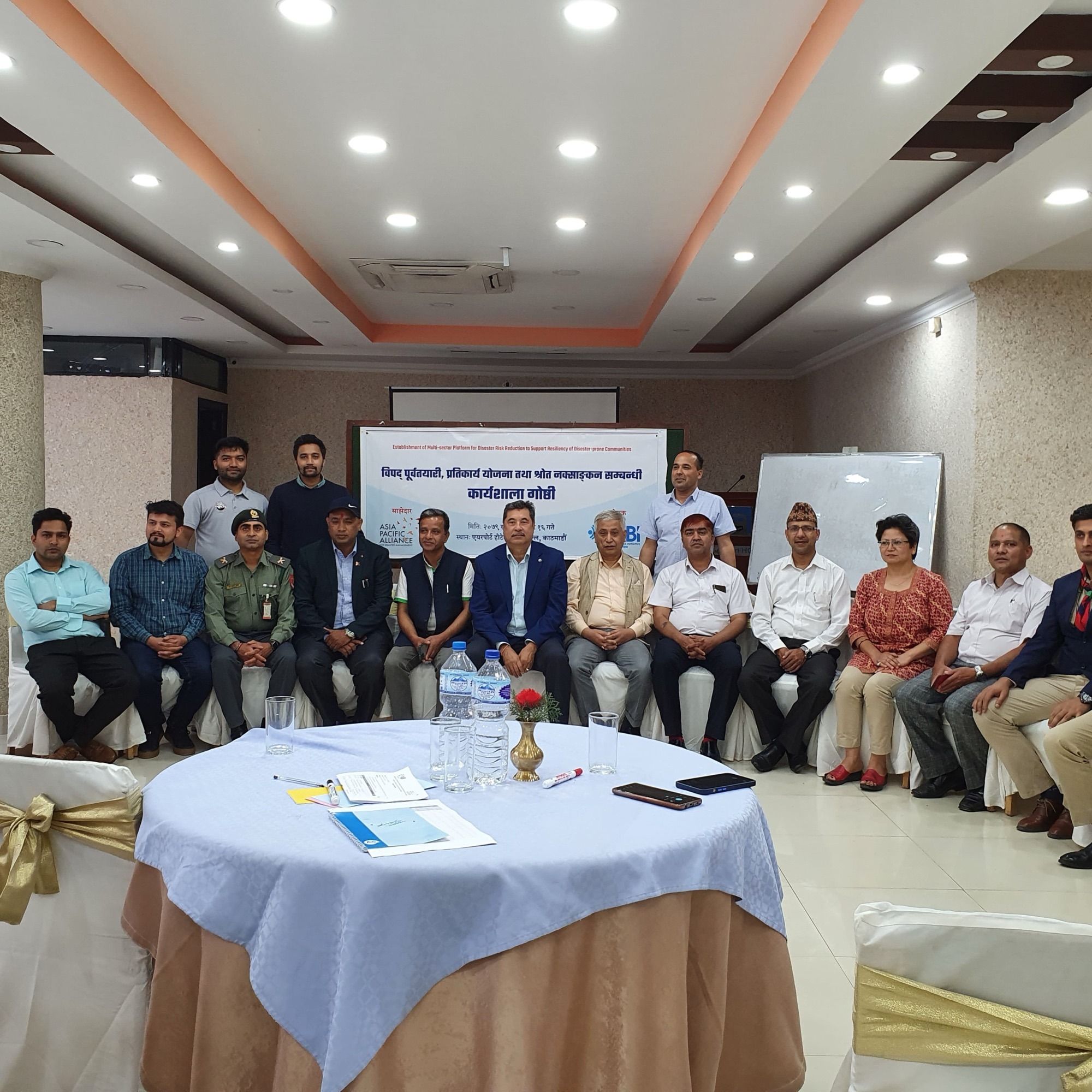
NBI & A-PAD Conduct Emergency Preparedness Workshop for Multi-Sector DRRM Collaboration
May 29-30, 2022
Kathmandu
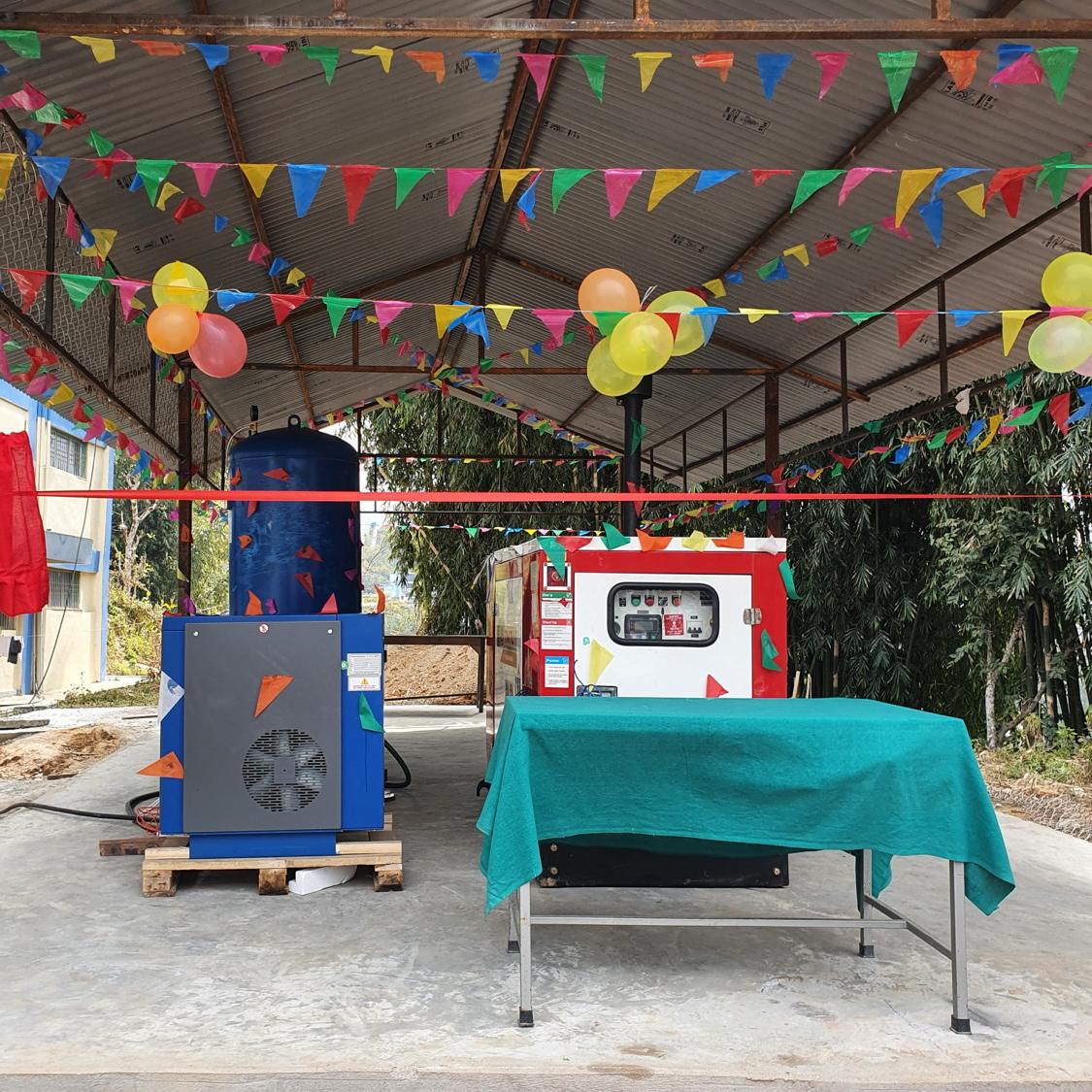
NBI Hands Over Oxygen Generation Plant to Chainpur Hospital
February 7, 2022
Sankhuwasabha
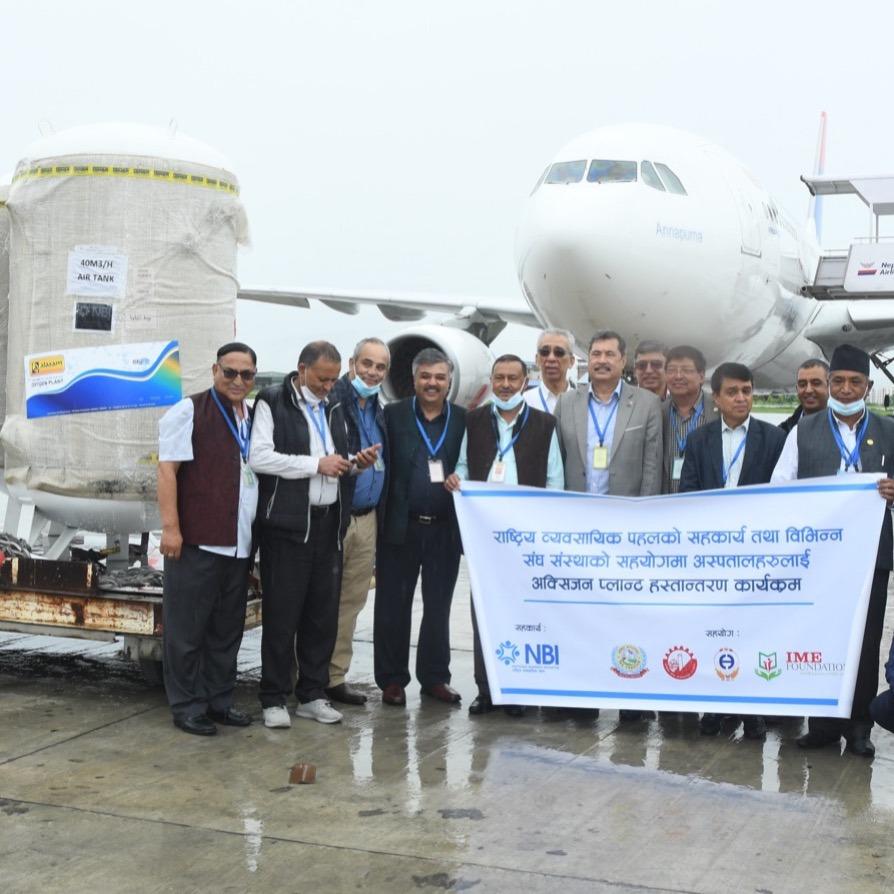
NBI Supports Oxygen Plants to Hospitals Across Nepal
Jun 26, 2021
Kathmandu
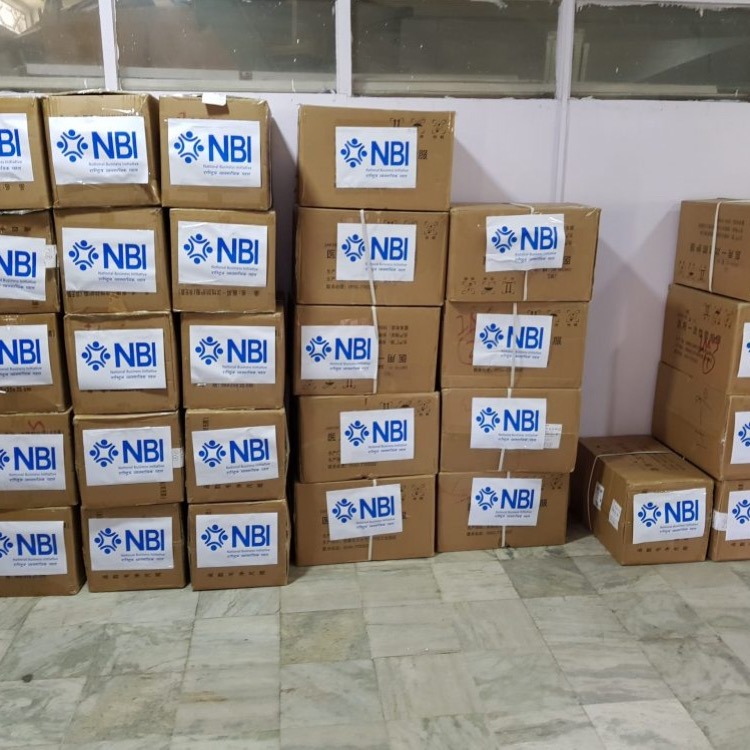
PPE सामग्री हस्तान्तरण
May 11, 2020 (Kathmandu)
National Disaster Profile
Key Statistics (2018 - 2024)
| Indicator | Figure |
|---|---|
| Total disaster incidents | 32,375 |
| Lives lost | 2,996 |
| Missing persons | 446 |
| Injured | 11,752 |
| Houses affected | 57,271 |
| Infrastructures destroyed | 43,168 |
| Total economic losses | NPR 23.60 billion (~USD 177 million) |
Major Disasters in Recent Years
Climate Related Disasters (2012 - 2024)
| Indicator | Figure |
|---|---|
| Total climate-related disasters | 44,000 |
| Deaths | 5,667 |
| Estimated economic loss | NPR 49 billion (~USD 367 million) |
| Average annual deaths | 249.7 |
Global Rankings (2024)
| Metric | Nepal's Ranking |
|---|---|
| Deaths per million population | 12.76 (6th highest globally) |
| Direct economic losses as % of GDP | 0.83% (8th highest globally) |
Institutional Framework
Why this Matters for NBI
Nepal's vulnerability demands proactive, multi-sectoral collaboration. The private sector, employing over 4 million people and controlling critical infrastructure, supply chains, and resources, is indispensable to national resilience. NBI's DRRM initiatives bridge government, civil society, and business to move Nepal from reactive relief to preparedness, prevention, and sustainable resilience.