Ending Modern Slavery
Building a Responsible Private Sector
Modern slavery, including forced labour, human trafficking, debt bondage, and child labour, remains a grave concern in global supply chains and within Nepal's borders. Despite significant progress, vulnerable workers in sectors such as construction, manufacturing, agriculture, hospitality, and overseas employment continue to face exploitation. For responsible businesses, combating modern slavery is both a moral imperative and a legal and reputational necessity.
NBI's Stand
National Business Initiative (NBI) is committed to a zero-tolerance approach to modern slavery in all its forms. We believe that ethical business practices and respect for human dignity are inseparable. Since 2005, we have worked alongside Nepal's private sector, government, and civil society to identify risks, protect workers, and eliminate exploitative practices from business operations and supply chains.
Programs & Updates
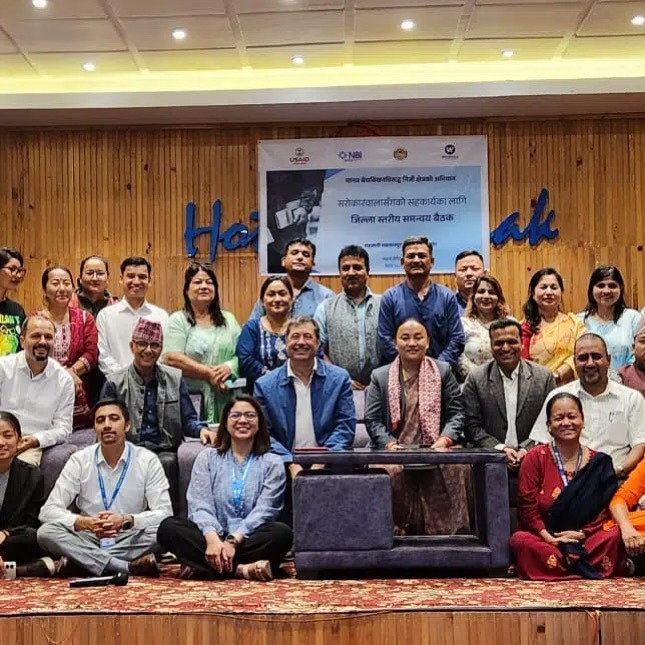
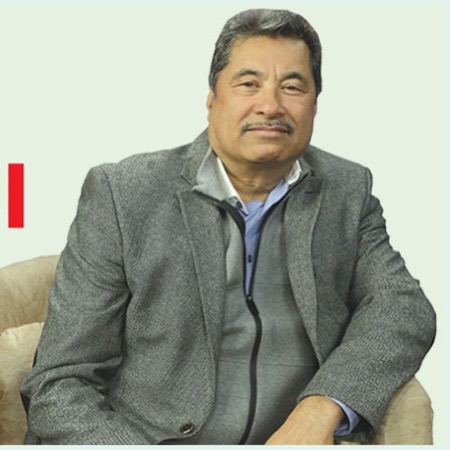
‘मोर्डन स्लेभरी’ अनौपचारिक/ औपचारिक दुवै क्षेत्रमा छ : कुशकुमार जोशी [अन्तरवार्ता]
March 14, 2023 (Kathmandu)
Conducted by Aarthik Abhiyan
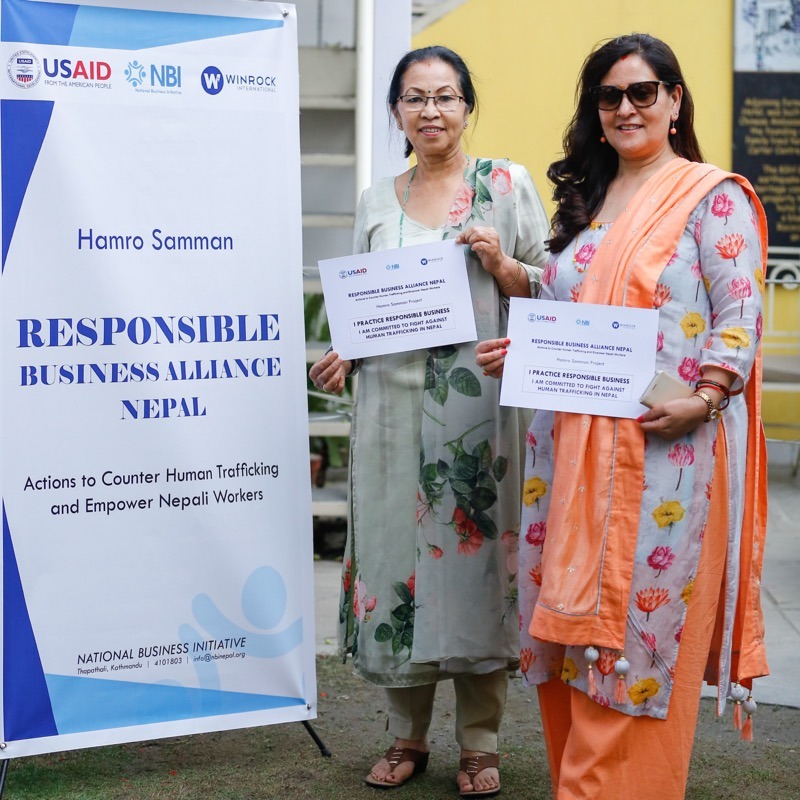
Formation of Responsible Business Alliance Nepal
July 10, 2019
Kathmandu
Global Findings on Modern Slavery
An estimated 50 million people were living in situations of modern slavery on any given day in 2021, according to the latest Global Estimates of Modern Slavery. Of these people, approximately 27.6 million were in forced labour and 22 million were in forced marriages.
The most vulnerable — women, children, and migrants — remain disproportionately affected. More than 12 million of all people in modern slavery are children, and women and girls account for over half of them (54 per cent). Migrant workers were three times more likely to be in forced labour than non-migrant workers.
Modern slavery occurs in every country, regardless of wealth. More than half (52 per cent) of all forced labour and a quarter of all forced marriages can be found in upper-middle income or high-income countries.
The new Global Estimates revealed that the situation is worse than when we last measured in 2016. Since then, the number of men, women, and children forced to work against their will or in a forced marriage has risen by 10 million. The worsening situation has occurred against a backdrop of increasing conflict, environmental degradation, over a decade of global democratic decline, a global rollback of women’s rights, and the economic and social impacts of the COVID-19 pandemic and responses to it. These compounding crises have led to significant disruption to employment and education, increases in extreme poverty, and forced and unsafe migration, which together heighten the risk of all forms of modern slavery, particularly for those who are already vulnerable.
The Scale of Modern Slavery in Nepal
According to the 2023 Global Slavery Index, an estimated 3.3 in every thousand people were in modern slavery in Nepal at any point in 2021. In other words, 97,000 people experienced forced labour or forced marriage in Nepal in 2021. In terms of prevalence of modern slavery, Nepal ranks 121st globally and 21st within Asia and the Pacific.
Government's Response to Modern Slavery
The government of Nepal scored 45 out of 100 in their response to modern slavery. This places the government’s response above the average regional response. Of the five areas of response assessed (milestones), the government has taken most action on national and regional coordination of the response to modern slavery and least action on addressing risk in government and business supply chains.