
B+HR
December 3, 2025, Kathmandu
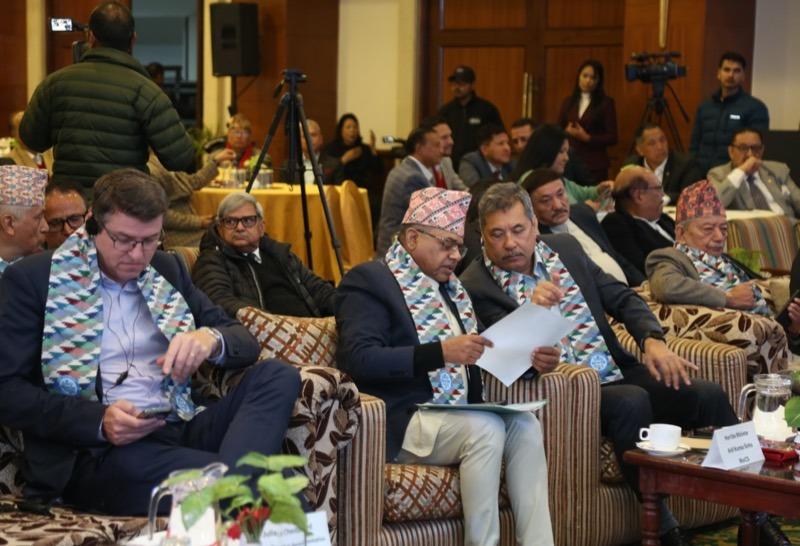
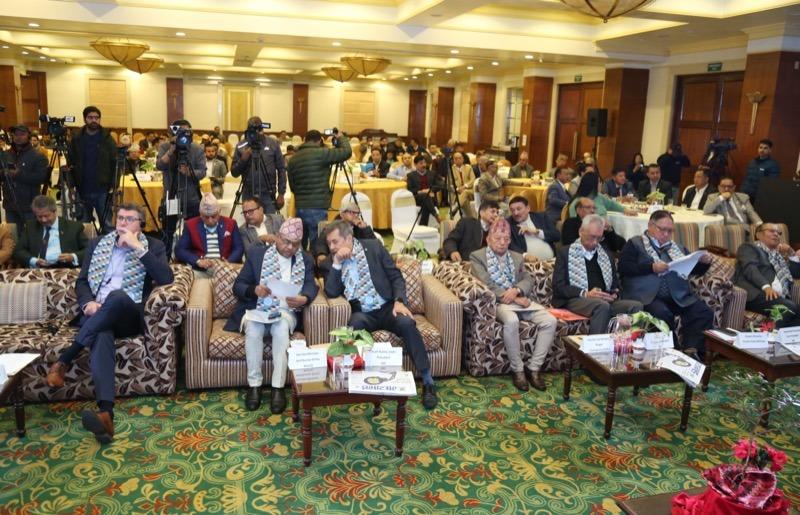
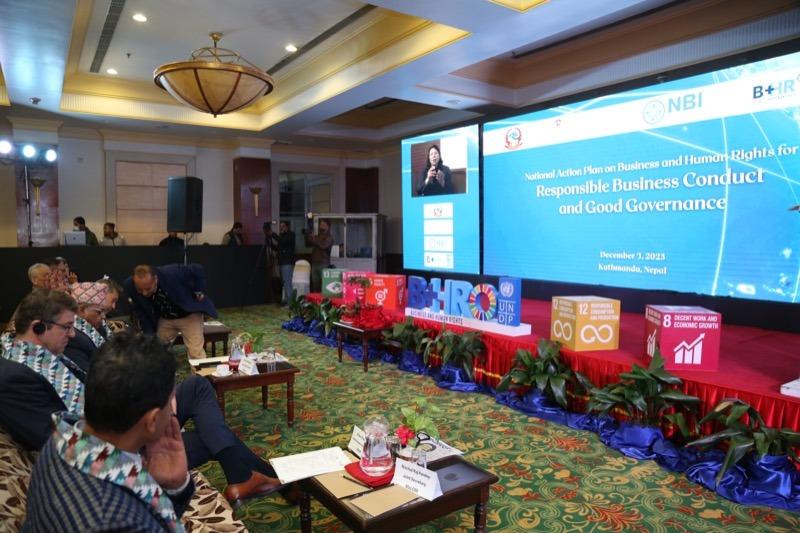
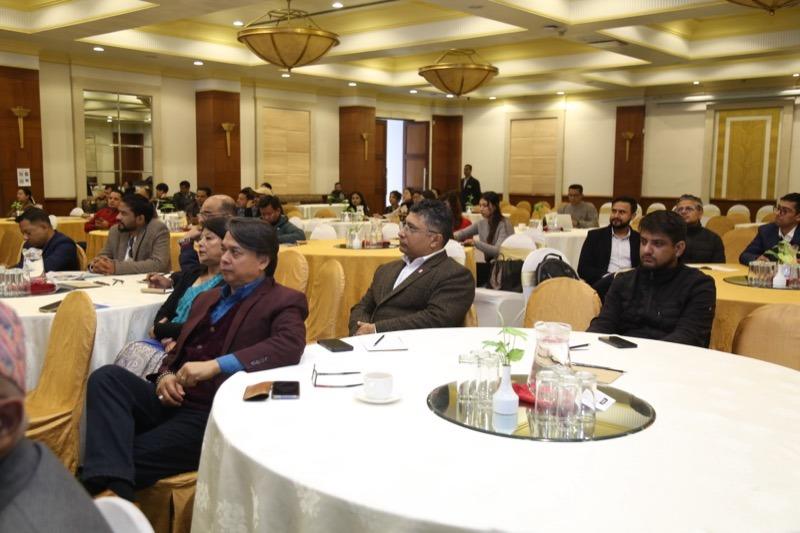
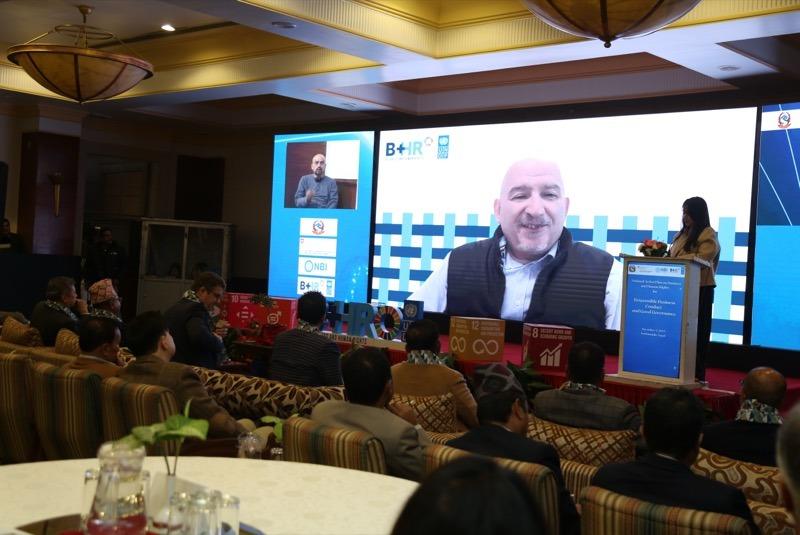
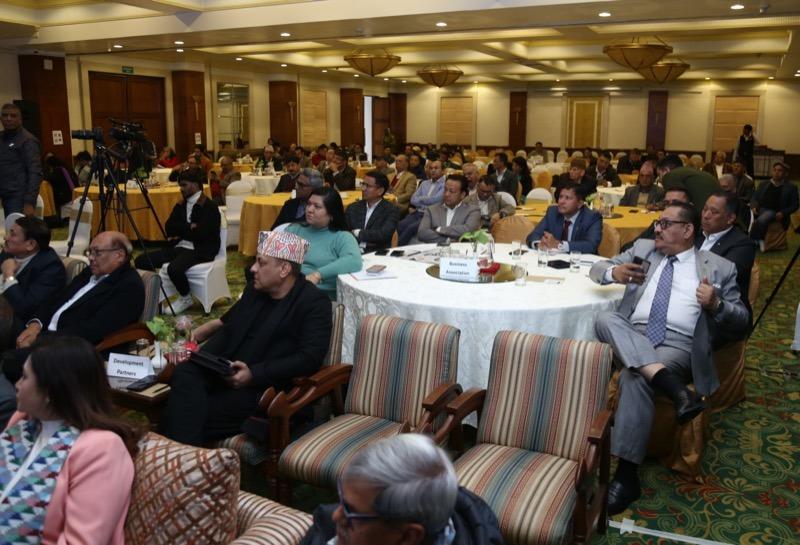
National Business Initiative (NBI), in partnership with the United Nations Development Programme (UNDP), successfully convened a high-level national program on "Implementation of the Business and Human Rights (B+HR) National Action Plan" in Kathmandu. The event brought together government ministers, private sector leaders, human rights commissioners, development partners, civil society representatives, youth advocates, and media professionals for a day of candid dialogue, reflection, and commitment.

About the Event
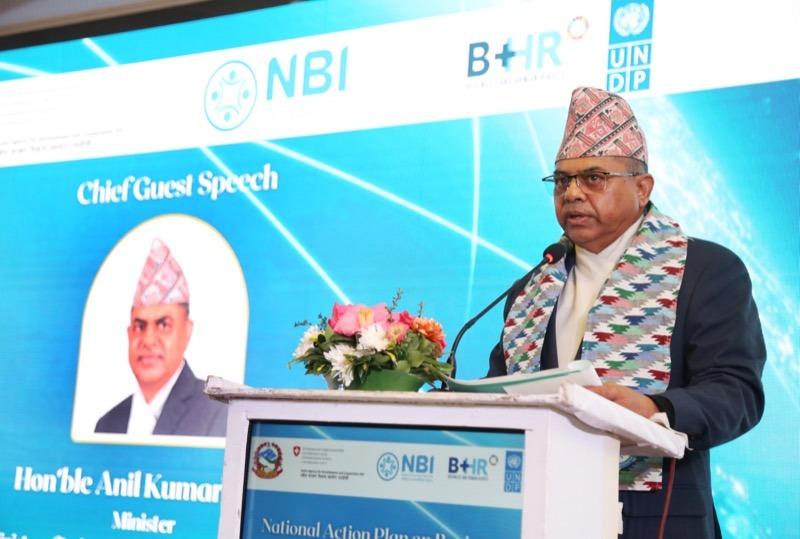
Chief Guest:
Hon. Anil Kumar Sinha
Minister for Industry, Commerce and Supplies
Hon. Anil Kumar Sinha
Minister for Industry, Commerce and Supplies
Special Guest:
Hon. Rameshwar Khanal
Minister for Finance
Hon. Rameshwar Khanal
Minister for Finance
Other Prominent Participants:
-
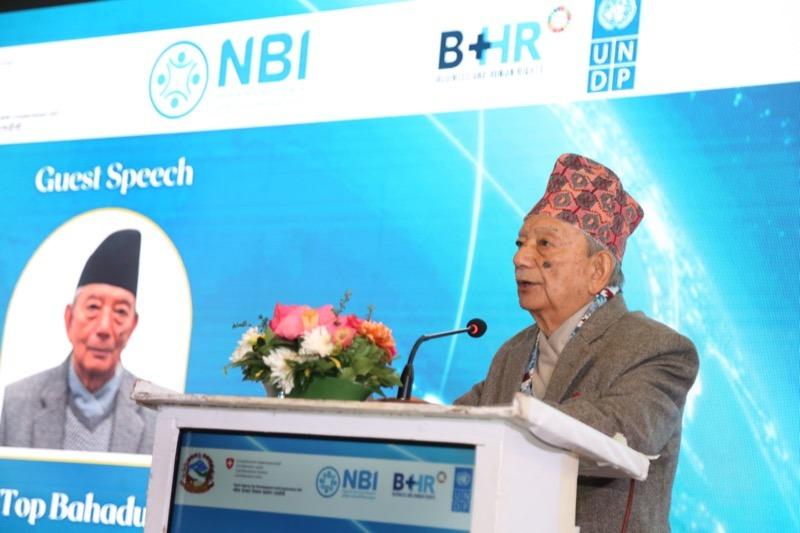
Hon. Top Bahadur Magar, Chairperson, National Human Rights Commission
-
Nischal Raj Pandey, Joint Secretary, Ministry of Labour, Employment and Social Security
-
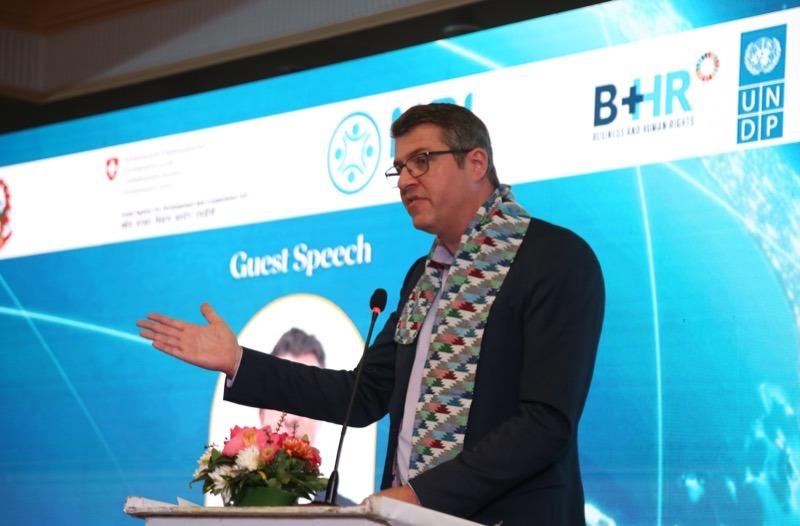
Julian Chevillard & Livio Sarandrea, UNDP Representatives
-
Swiss Embassy representatives
-
Leadership from FNCCI, Confederation of Nepalese Industries (CNI), Youth Entrepreneur Forum
-
Civil society, academia, media, and human rights activists
Key Messages
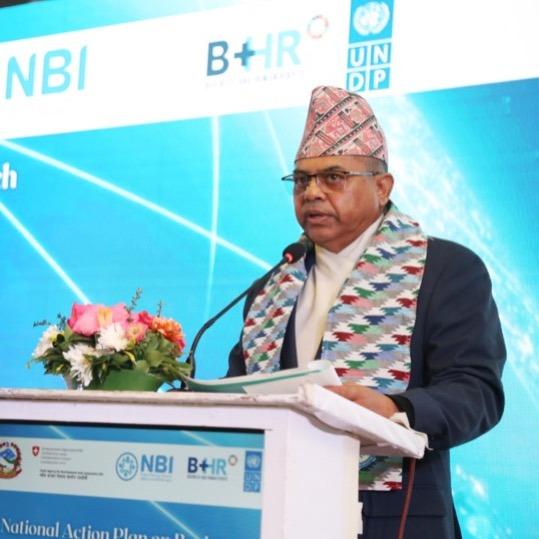
Chief Guest: Hon. Anil Kumar Sinha
Minister Sinha framed B+HR not merely as a moral issue but as a critical economic strategy. He emphasized that the recent uprising had exposed structural gaps in the relationship between the public and private sectors, as well as weaknesses in governance and accountability.
"Do not engage in political donations and corruption. Provide employment to the youth. Earn profits — but bear social responsibility."
He assured that the government's role is not to control or punish the private sector, but to empower it as a positive facilitator of growth.
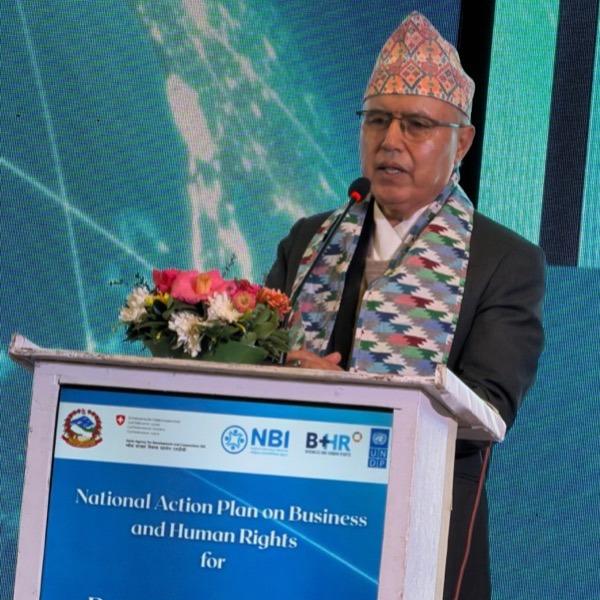
Special Guest: Hon. Rameshore Khanal
Finance Minister Khanal challenged the private sector to become a model of good governance that even the government could emulate. He cautioned:
"The current public dissatisfaction is not only directed at government corruption. It is also targeted at the corporate sector that tries to influence government systems for private gain."
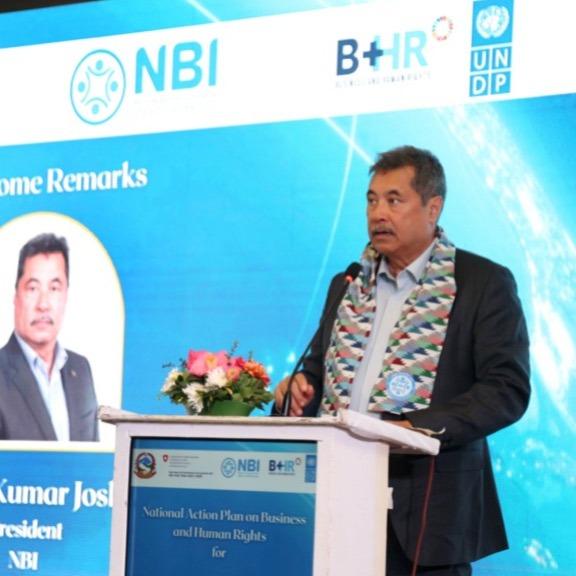
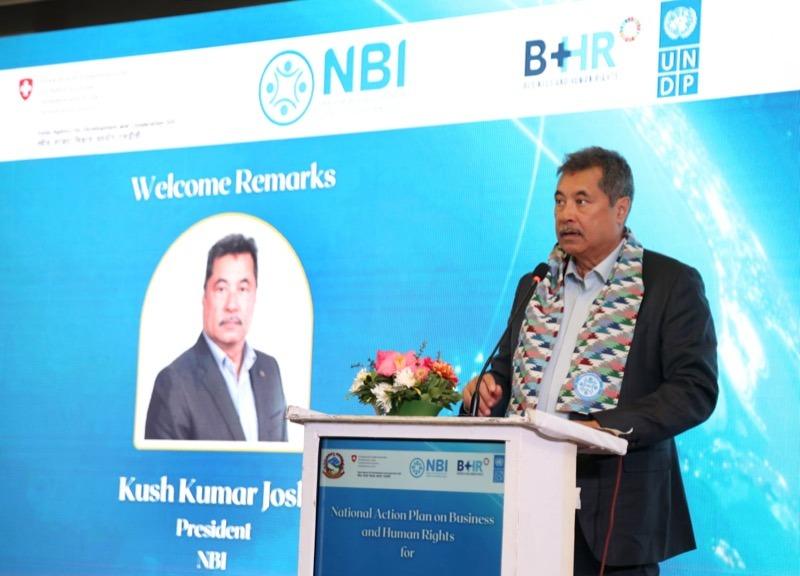
NBI President: Kush Kumar Joshi
NBI President Joshi opened the program by declaring:
"The crisis we face today is a crisis of trust. We can no longer simply blame others. Reform must begin with ourselves. The private sector is ready to become transparent, accountable, and human rights-friendly."
Panel Discussions
Panel 1: New Realities and New Responsibilities
The first panel explored how businesses must adapt to changing social expectations. Key conclusions included:
-
Youth aspirations must be addressed. The Gen-Z uprising revealed deep dissatisfaction that cannot be ignored. These challenges are not just threats, they are opportunities to reform.
-
Self-reflection is essential. The private sector must confront accusations of crony capitalism, monopolistic practices, labour exploitation, and displacement of indigenous communities. The narrative that "making profit is a crime" must be countered through ethical conduct, not defensive rhetoric.
-
Unity of voice. Private sector umbrella organizations must speak with one voice to advocate for policy reform while strengthening internal governance.
Panel 2: Accountability in Practice for Business Resilience
The second panel focused on practical accountability measures. Key insights:
-
Internal governance is the first line of defence. Weak internal governance increases vulnerability to external criticism and regulatory risk.
-
Women entrepreneurs face unique challenges that require targeted support.
-
The trust deficit with youth is structural, not superficial. Young people do not hate business; they oppose injustice. Rebuilding trust requires genuine partnership, not public relations.
-
Long-term economic stability is only possible through structural reform, a unified private sector voice, and co-creation with youth.
Consensus Outcomes
Across both panels, one message resonated clearly:
"Trust is the most valuable asset today."
To restore lost trust and secure the investment climate, the private sector has no alternative but to adopt human rights-centered, accountable, and transparent business practices.
Commitments Made
At the closing session, the private sector made the following commitments:
1. Reform begins from within. The private sector will initiate its reform campaign through self-reflection, institutionalizing Responsible Business Conduct as an organizational culture.
2. B+HR implementation. The private sector is fully committed to moving Nepal's National Action Plan on Business and Human Rights from paper to practice, in active partnership with government.
3. Unity and collaboration. For peace and stability, the private sector stands united. It seeks continuous dialogue and cooperation with government, political parties, and especially the youth.
4. Rebuilding public trust. The next phase of private sector engagement will focus on restoring social trust. Profit-making is not the sole purpose of business; connection to societal and national interest is equally vital.

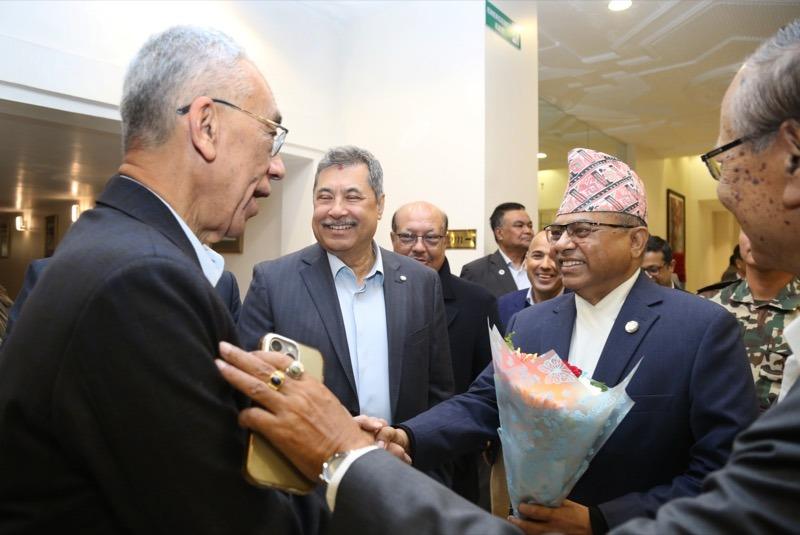
Glimpses

0 Comments