DRRM
June 28, 2022, Kathmandu
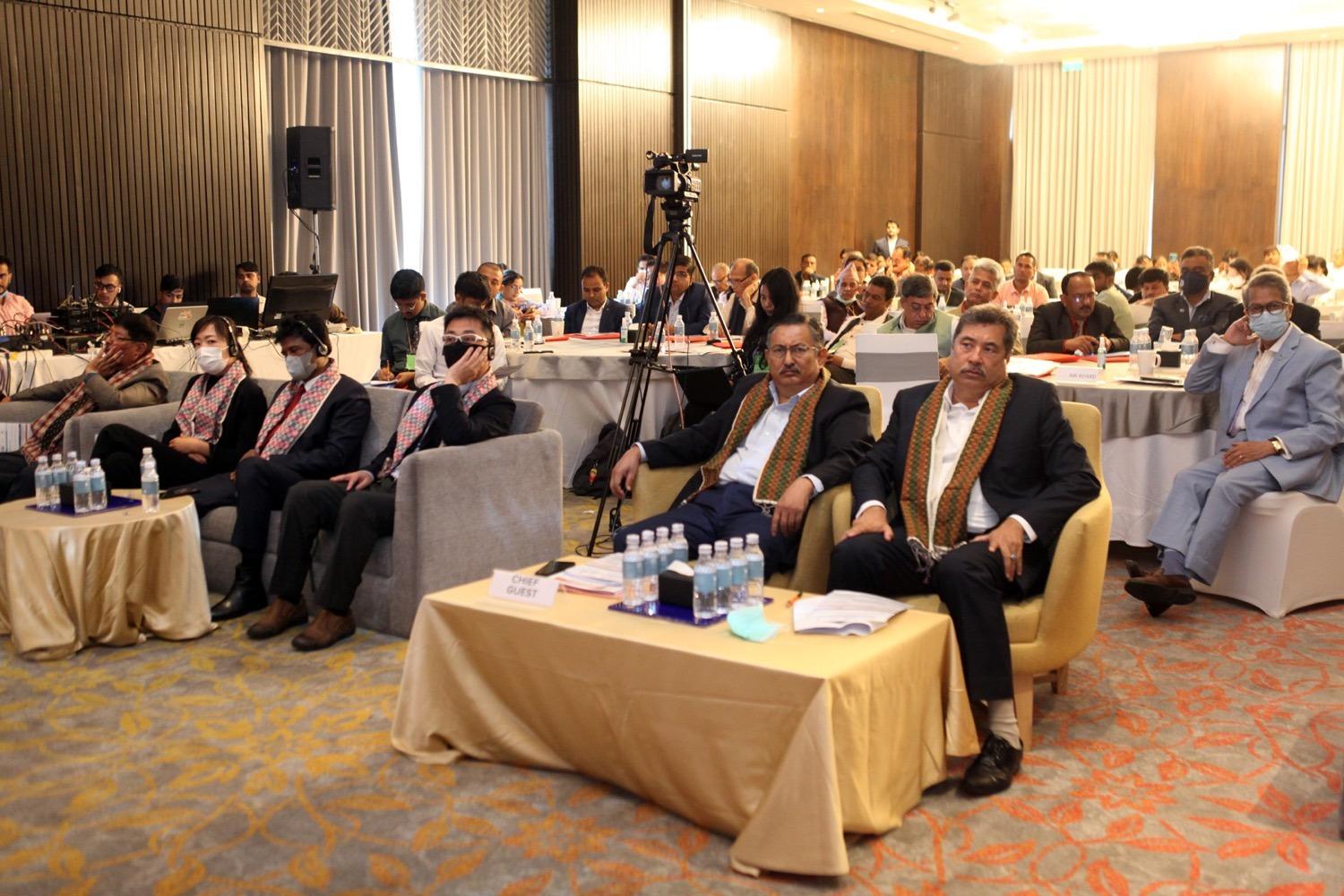
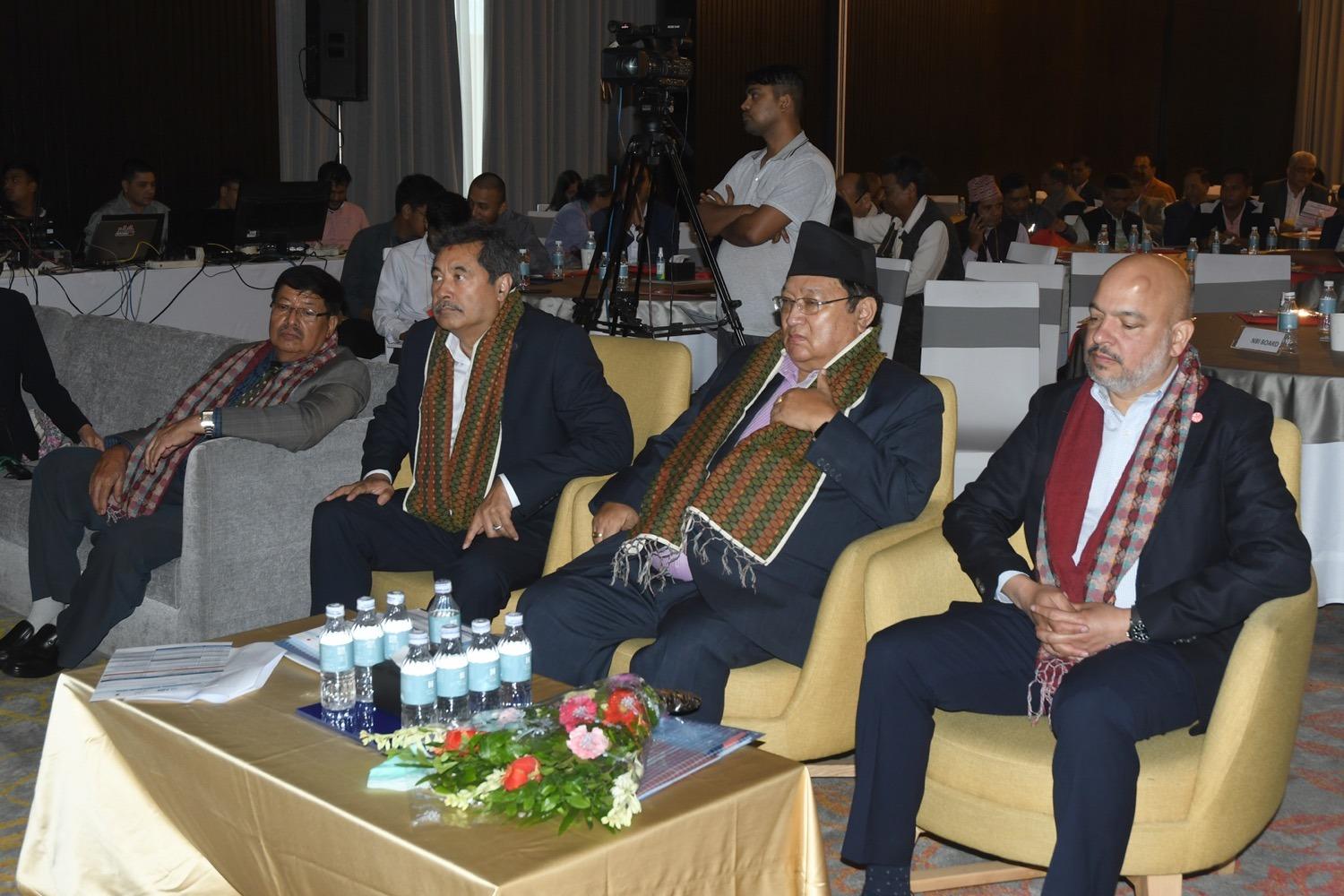
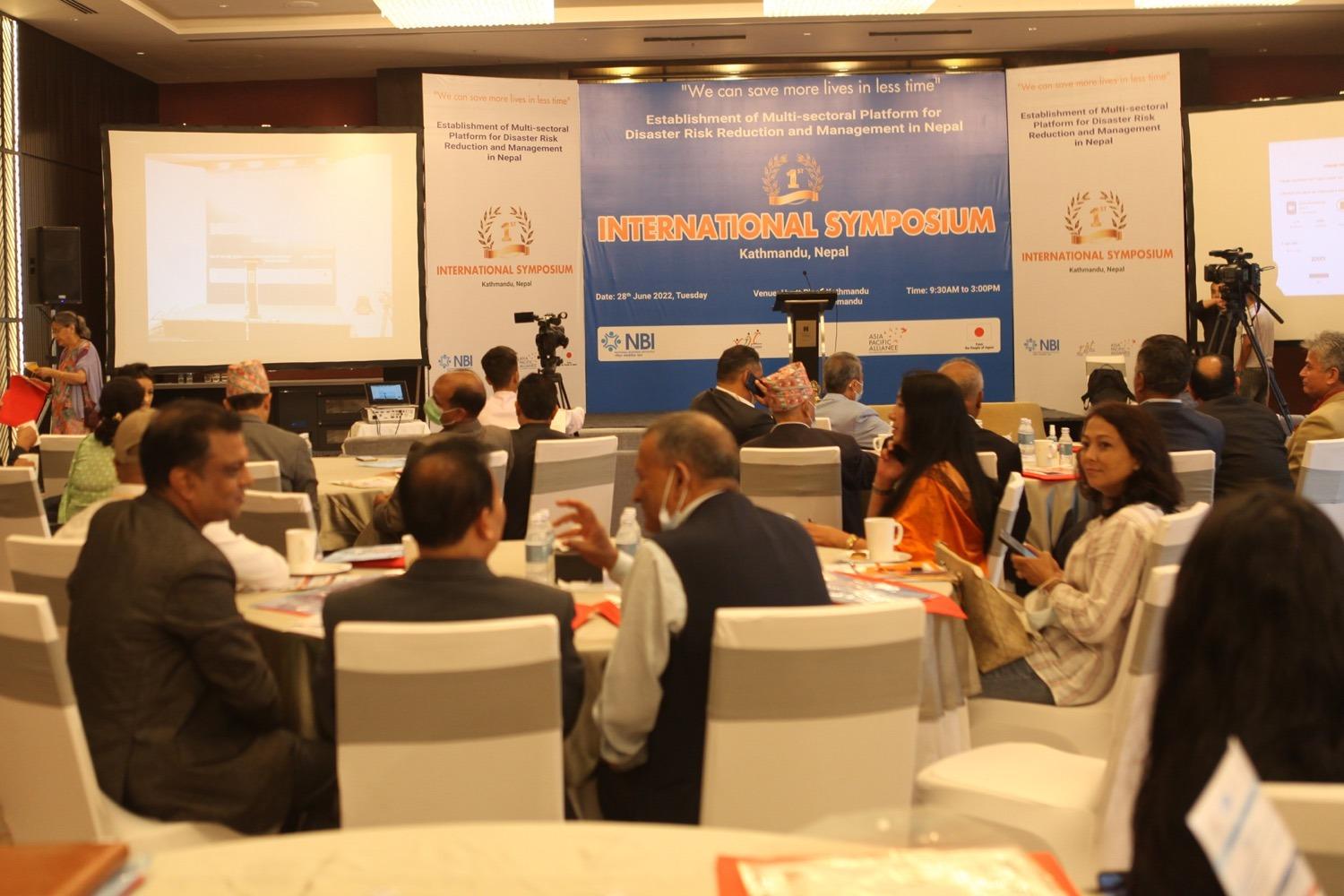
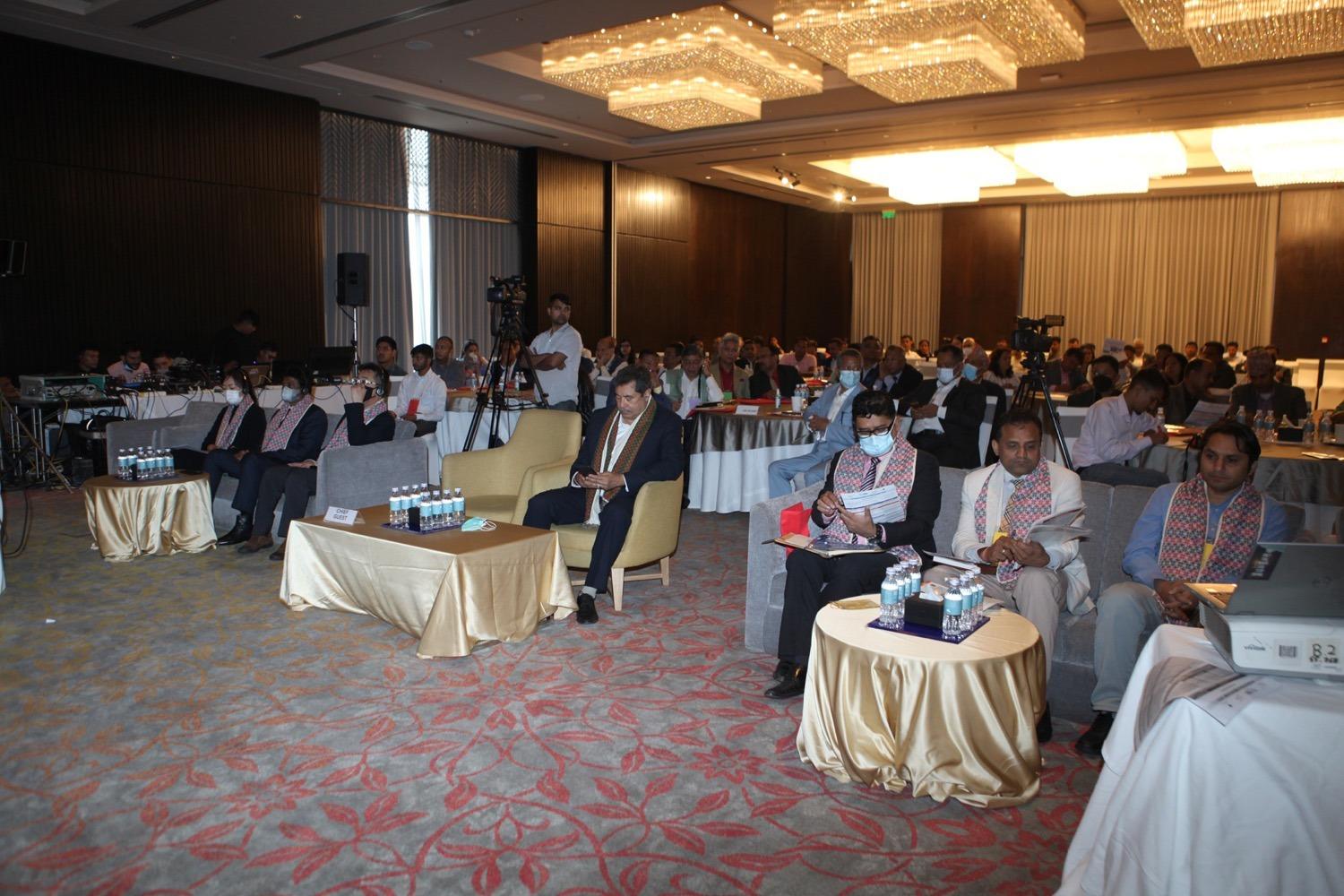
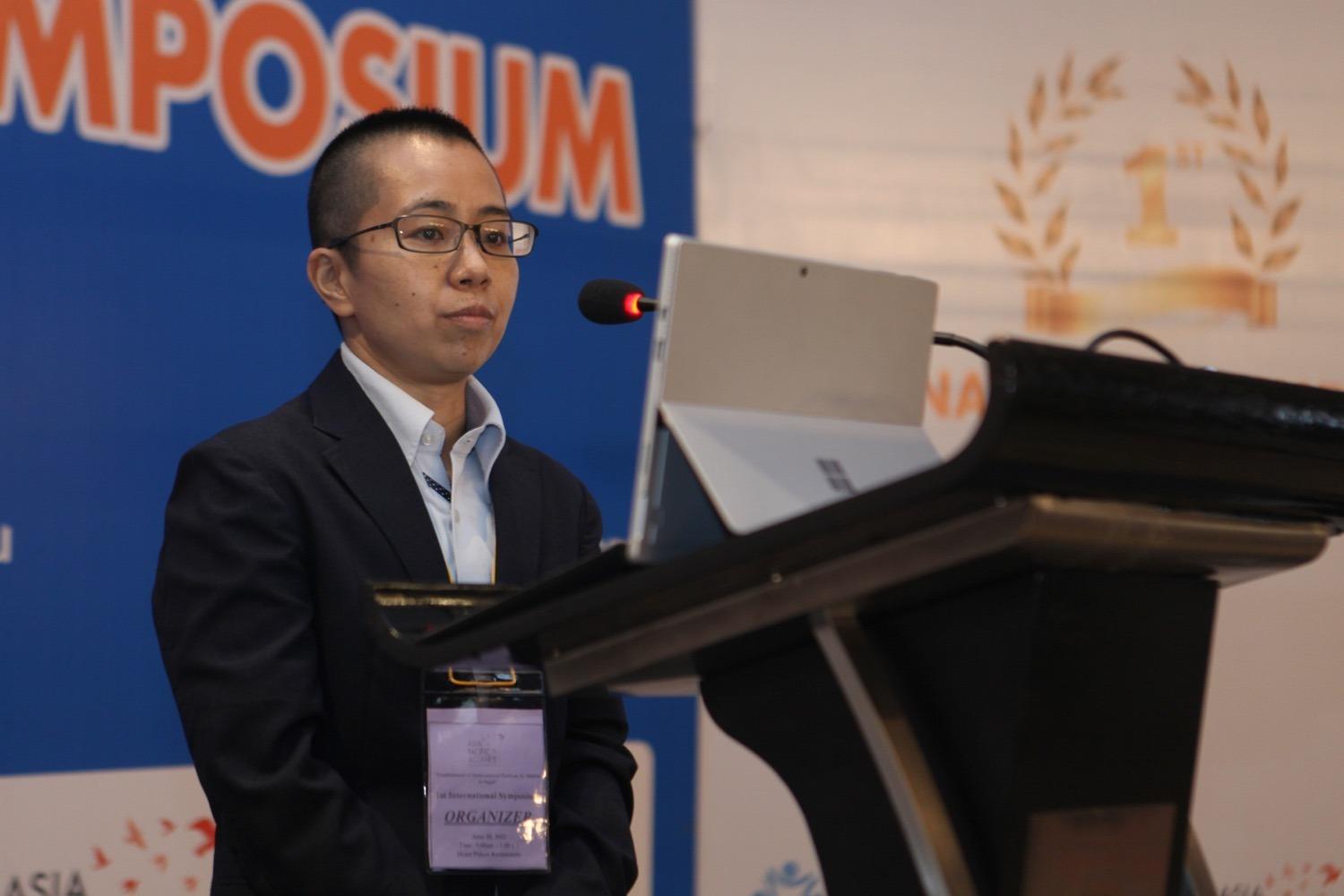
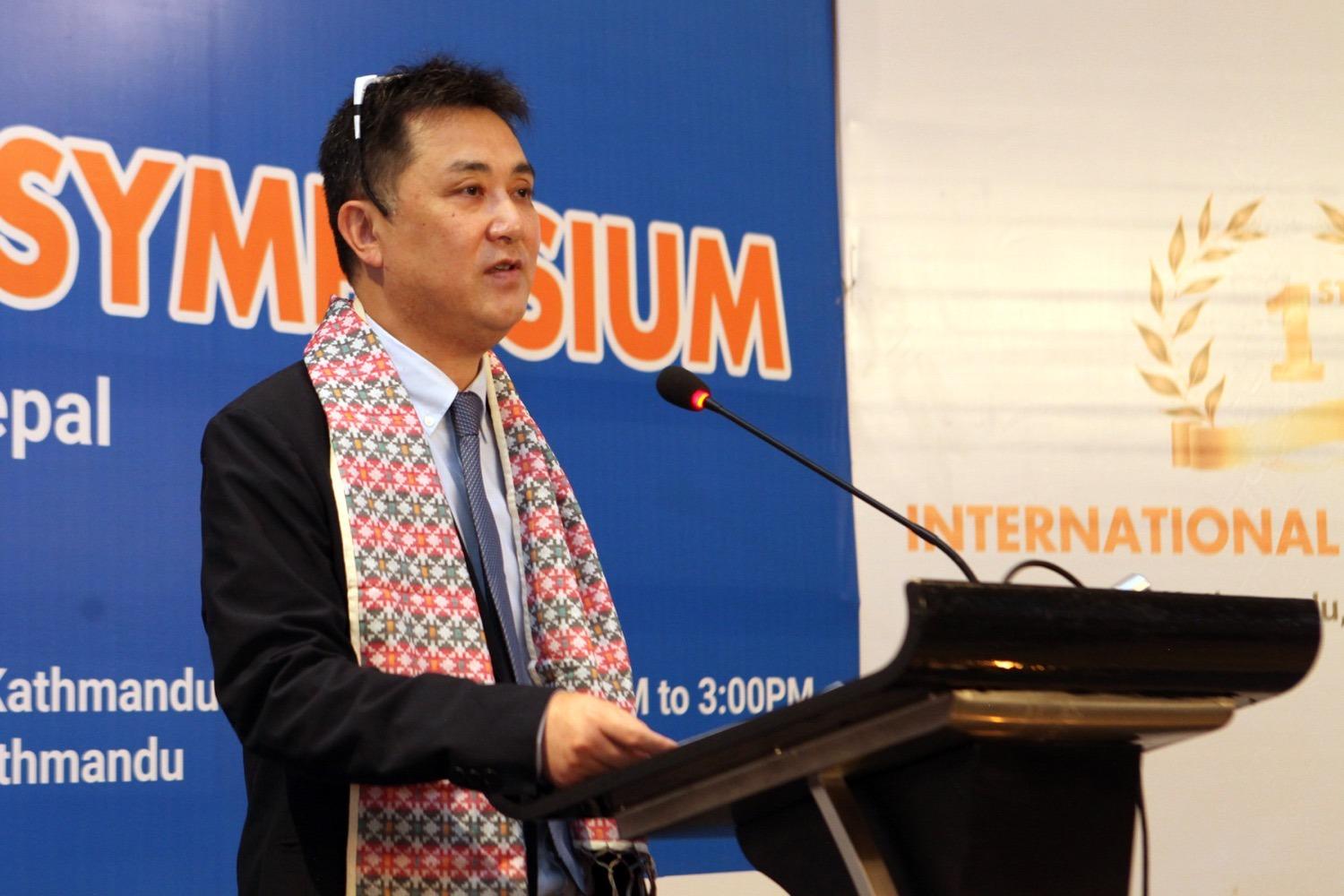
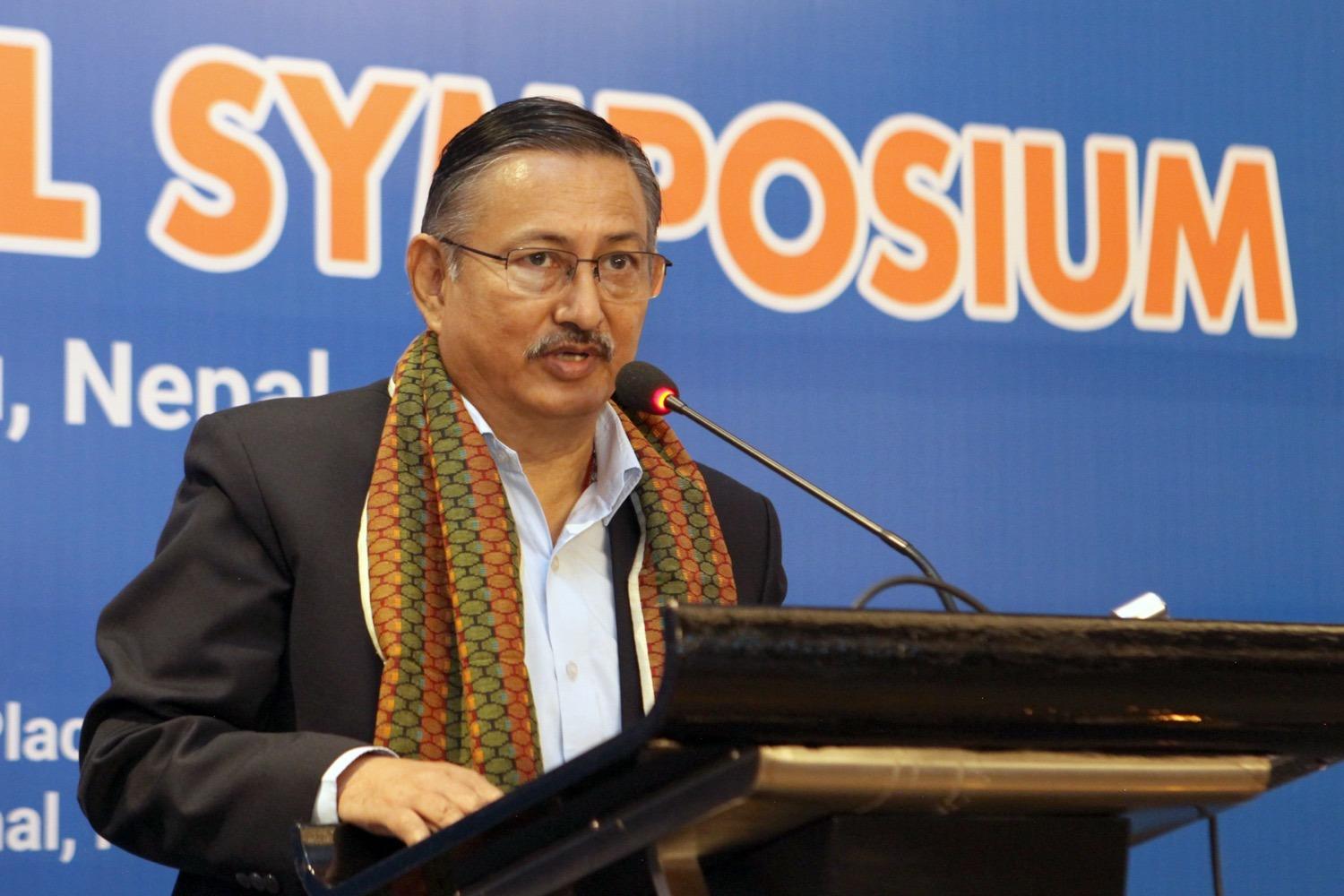
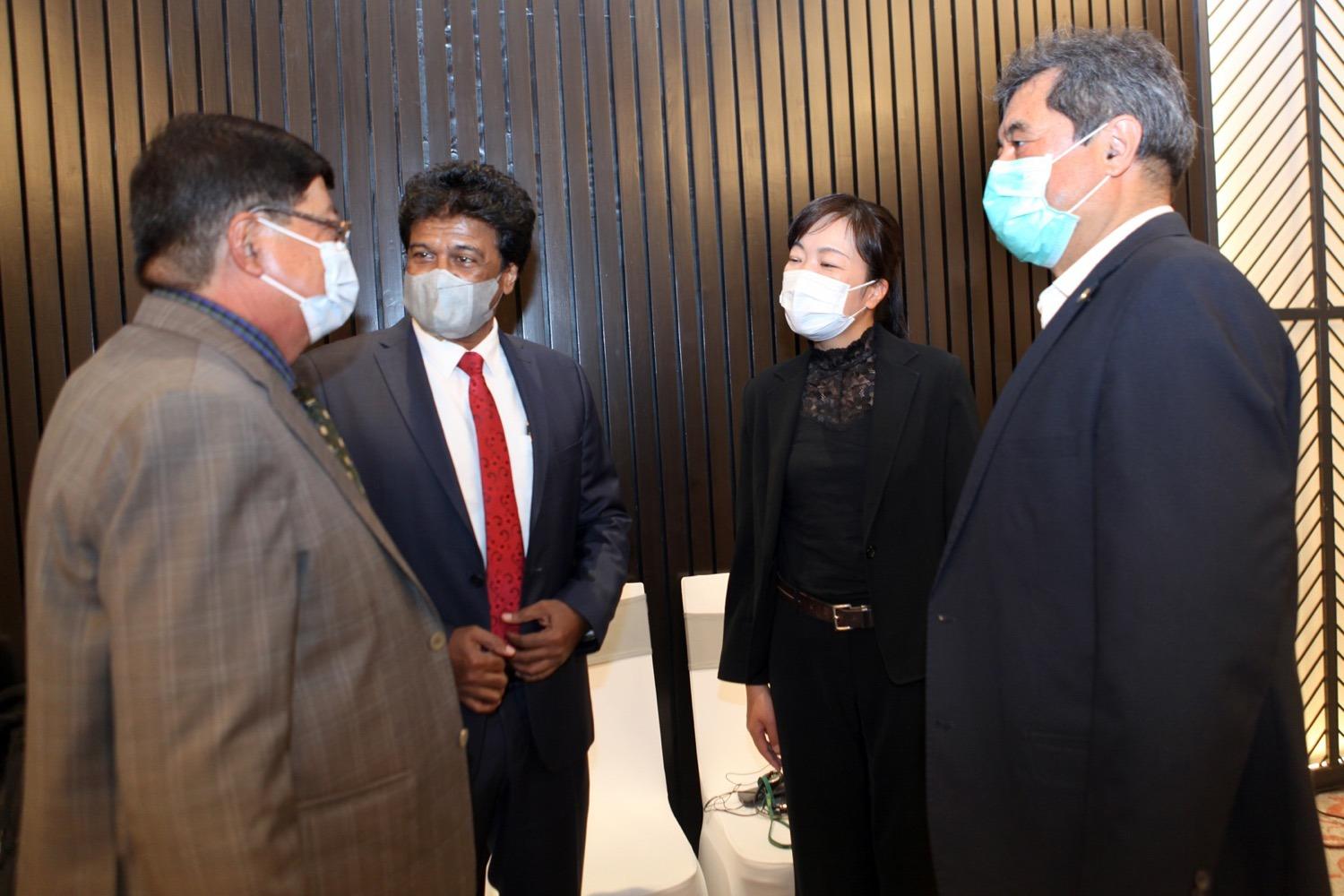
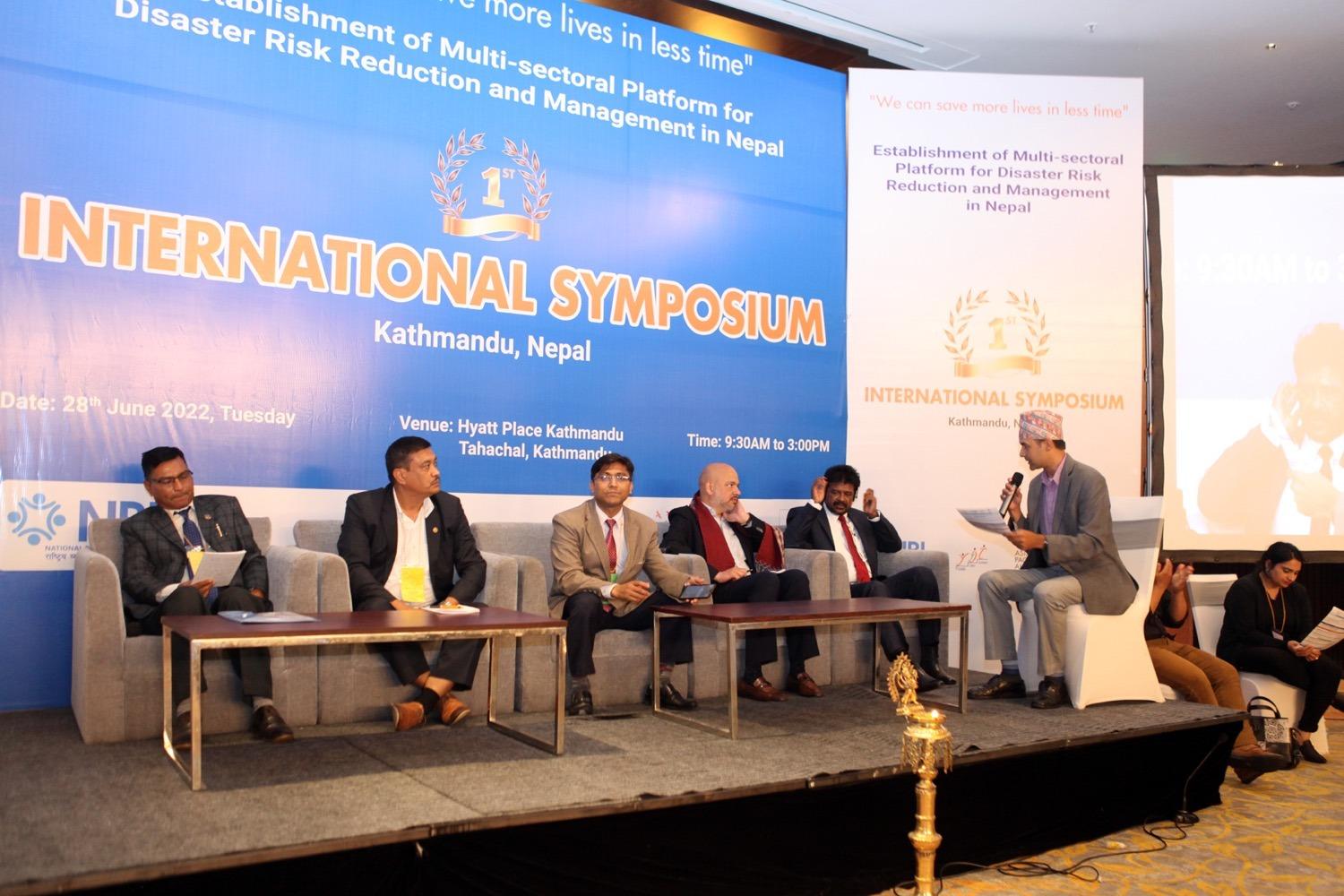
National Business Initiative (NBI), in partnership with Asia Pacific Alliance for Disaster Management (A-PAD), convened an international symposium in Kathmandu to advance the establishment of a multi-sectoral platform for Disaster Risk Reduction and Management (DRRM) in Nepal. The event brought together 160 participants from government, private sector, civil society, academia, and international organizations.
About the Event
Distinguished Guests
-
Hon. Bal Krishna Khand — Minister, Ministry of Home Affairs
-
Hon. Umesh Shrestha — State Minister, Office of the Prime Minister and Council of Ministers
-
Mr. Tamura Takahiro — Chargé d'Affaires ad Interim, Embassy of Japan to Nepal
-
Dr. Quazi Quamruzzaman — Chairman, A-PAD International
-
Dr. Anil Pokharel — CEO, National Disaster Risk Reduction and Management Authority (NDRRMA)
-
Mr. Shekhar Golchha — President, Federation of Nepalese Chambers of Commerce and Industry (FNCCI)
-
Dr. Man Bahadur Biswakarma — Former Secretary, Government of Nepal
Key Themes
1. Nepal's Disaster Vulnerability
NBI President Kush Kumar Joshi opened by recognizing Nepal as one of the world's most disaster-prone countries. He noted that Nepal has historically focused on disaster relief rather than preparedness, a gap the multi-sectoral platform aims to address.
NBI President Kush Kumar Joshi opened by recognizing Nepal as one of the world's most disaster-prone countries. He noted that Nepal has historically focused on disaster relief rather than preparedness, a gap the multi-sectoral platform aims to address.
2. A-PAD's Win-Win-Win Model
A-PAD leaders introduced their proven model of partnership between government, private sector, and humanitarian agencies:
A-PAD leaders introduced their proven model of partnership between government, private sector, and humanitarian agencies:
-
Government institutionalizes DRRM and leads cross-border dialogue
-
Private sector leverages market chains to supply goods and services to affected areas
-
Humanitarian agencies provide coordination and technical support
3. International Experiences
-
Japan (2011 Earthquake): A-PAD coordinated private sector, NGOs, and overseas support for rapid rescue and rebuilding. A digital platform now matches corporate resources with real-time disaster needs.
-
Sri Lanka: Adventure sports professionals were trained as elite swift-water rescue teams. Supermarket chains partnered with A-PAD to pre-position disaster stocks and provide discounted goods during emergencies.
4. Nepal's Progress
NDRRMA CEO Dr. Anil Pokharel highlighted ongoing efforts: launching an E-Portal for natural disasters, establishing a volunteer bureau, stockpiling relief materials, and making disaster insurance compulsory for the private sector. A-PAD has already identified stakeholders and resources in Province 1 and provided communication equipment to emergency operations.
NDRRMA CEO Dr. Anil Pokharel highlighted ongoing efforts: launching an E-Portal for natural disasters, establishing a volunteer bureau, stockpiling relief materials, and making disaster insurance compulsory for the private sector. A-PAD has already identified stakeholders and resources in Province 1 and provided communication equipment to emergency operations.
Highlights
President's Message
NBI President Kush Kumar Joshi emphasized that with over 4 million employees in the private sector, instilling a preparedness culture can cascade knowledge to families and communities. He called for shifting focus from compliance-driven approaches to proactive risk reduction, replicating best practices from countries like Japan.
Panel Consensus
Panelists agreed that Nepal's private sector is already active in DRRM, contributing generously on disaster reliefs, such as during the 2015 earthquake and earning UNDP recognition for the best COVID-19 response in South Asia. The challenge is not participation, but coordination and institutionalization.
Key recommendations:
-
Allocate 5–10% of CSR funds to DRRM activities
-
Adopt the GRID approach (Green, Resilient, Inclusive Development) for community resilience
-
Conduct comprehensive stakeholder mapping to identify roles and resources
-
Incorporate indigenous knowledge into DRRM models
-
Shift from "build back better" to "build better before"
Glimpses